


 SIGN UP

Used Toyota Hilux pickups in Kenya range from roughly KSh 2.5 million for older single-cab units to above KSh 8.5 million for late-model double-cab 4WD examples. Mid-range 2018 to 2020 double-cabs generally sit around KSh 5 million to KSh 7 million, before you account for import status, condition and ownership costs.
You may be comparing a workhorse for the farm or site with a family pickup that also has to handle Nairobi traffic. The advertised price is only the first layer: cab and drivetrain affect the vehicle's value, an import's taxes can reshape its landed cost, and fuel, tyres and maintenance determine what it costs to keep. Get those layers clear before you negotiate.
Why the Hilux Is Kenya's Workhorse Pickup
A buyer walks into our rooftop yard at Garden City Mall with a clear request: “I want a Hilux.” The next question is more important: what will the pickup do every week? A contractor hauling tools, a farmer travelling rough access roads and a family using a double-cab around Nairobi may all want a Hilux, but they shouldn't shop from the same shortlist.
The Hilux attracts these buyers because it combines diesel pulling power with a familiar, practical pickup layout. Its reputation and broad local demand also make it easier to compare, service and eventually sell than a less familiar work truck. But those strengths don't make every Hilux a good buy. A hard-worked pickup with poor records can cost more to put right than a cleaner one with a higher asking price.
Start with the body, drivetrain, transmission and import status. Then compare the actual vehicle, not just its year: engine, mileage, service history, accident record and paperwork all matter. Only after that should you assess the headline price against taxes, registration and running costs.
Buying rule: Match the Hilux to its job first. A 4WD double-cab may suit mixed family and work use, while a simpler single-cab may be the more sensible tool for carrying loads.
The Hilux isn't the only pickup a Kenyan buyer might consider. If your work needs a different load-bed or cab arrangement, you can also compare it with the Isuzu D-Max. The point isn't to chase a badge. It's to buy a configuration you can afford to operate and maintain.
The Four Configuration Choices That Fix the Price
A Hilux price means little until you know what sits behind it. Two pickups from the same year can be poor comparisons if one is a single cab, manual and 2WD, while the other is a double cab, automatic and 4WD. Compare these four choices before deciding whether an asking price is fair.
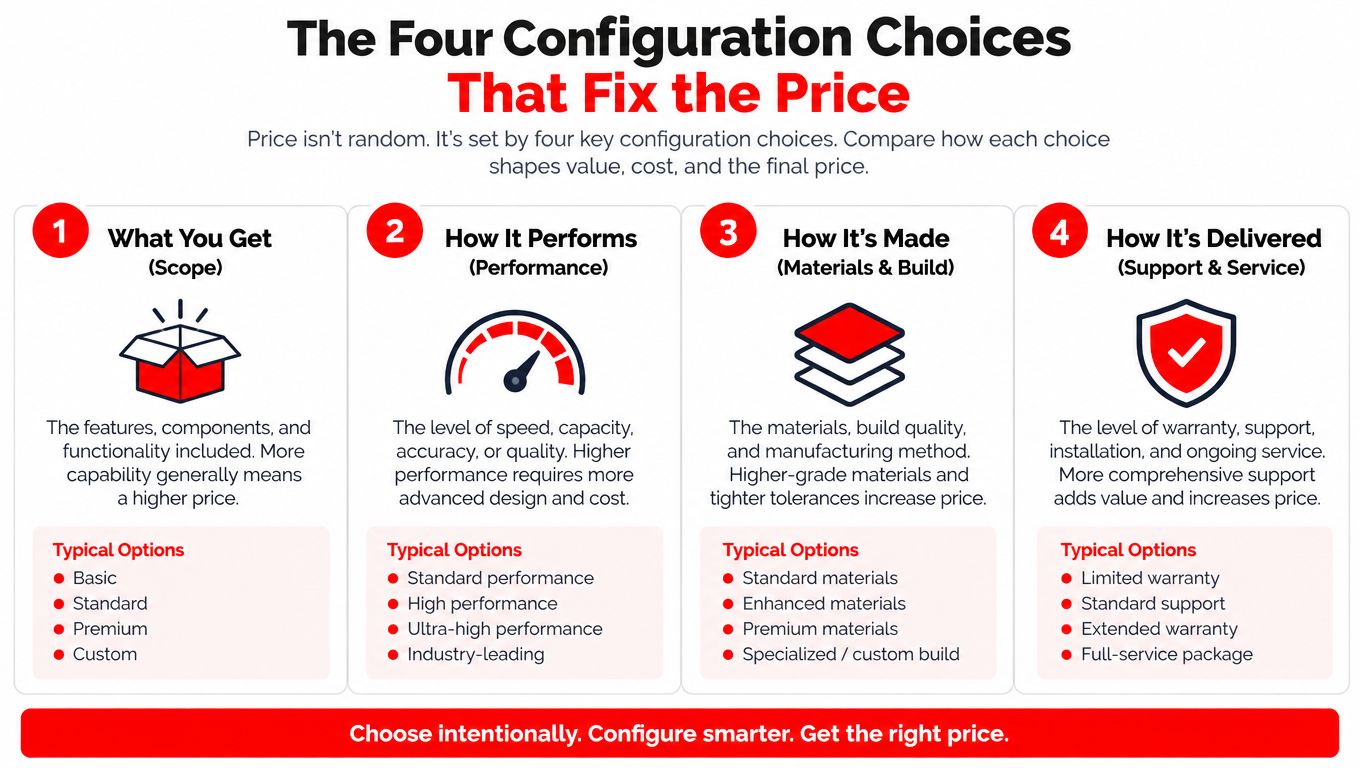
Cab: A single cab prioritises carrying space and a lower entry price. A double cab adds passenger seats and suits family or crew use, but its extra practicality usually comes at a higher cost.
Drivetrain: A 2WD Hilux can make sense for regular roads and lighter duties. Choose 4WD for work that demands extra traction, and budget for the tyres and maintenance that come with the added hardware. Paying for 4WD you rarely use isn't automatically smart.
Transmission: Manual and automatic versions aren't interchangeable just because their model years match. Consider who'll drive the truck, where it'll be used and whether the specific vehicle's maintenance record supports its gearbox.
Import status: A locally used Hilux and a foreign-used import can carry different tax, registration and documentation implications. A low advertised import price may not include everything needed to put the vehicle on the road.
Engine capacity matters too. Toyota Kenya's Hilux GR specification lists a 2,755 cc, 2.8-litre 1GD-FTV diesel; the manual version has a six-speed transmission and 420 Nm of torque, while the six-speed automatic is specified with up to 500 Nm, depending on configuration (Toyota Kenya Hilux GR specifications). That engine is above the 1,500 cc threshold in KRA's excise guidance, so engine size is a tax consideration as well as a performance detail. Before comparing prices, write down the cab, drivetrain, transmission and import status you want.
Indicative Hilux Prices by Year and Body Style
Treat price guides as orientation, not a promise of what a particular Hilux should cost. One Kenya-focused series gives median prices of about KSh 4.0 million for a 2016 Hilux, KSh 5.175 million for a 2018 model and KSh 5.3 million for a 2019 model. A separate reference gives higher asking-price benchmarks for double-cabs, rising from KSh 5.8 million for 2018 to KSh 8.5 million for 2022. Those are different measures, and neither guarantees the eventual sale price.
| Model year | Body and drivetrain | Indicative KSh range |
|---|---|---|
| 2016 | Single cab, 2WD, diesel; body and drivetrain affect the final figure | About 2.5 million to 4.0 million |
| 2018 | Double cab, diesel; confirm 2WD or 4WD and transmission | KSh 5.175 million median to KSh 5.8 million asking benchmark |
| 2019 | Double cab, diesel; confirm drivetrain and transmission | KSh 5.3 million median to KSh 6.2 million asking benchmark |
| 2020 | Double cab, diesel; confirm drivetrain and transmission | Up to KSh 6.6 million asking benchmark |
| 2021 | Double cab, diesel; confirm drivetrain and transmission | Up to KSh 7.3 million asking benchmark |
| 2022 | Double cab, diesel; confirm drivetrain and transmission | Up to KSh 8.5 million asking benchmark |
The older single-cab figure is an indicative entry point, not a guaranteed minimum. The cited series reports a median, while the other reference reports asking benchmarks for double-cabs. Year, engine, mileage, transmission, drivetrain, import status and condition can all explain why two vehicles sit far apart.
A 2018 double-cab asking benchmark shouldn't be applied to a 2018 single-cab work truck without adjustment. Nor should you treat a median as a completed-sale price. Use the table to set a shortlist, then check the individual vehicle's history and documents before deciding what it's worth.
How Import Duty, Excise and VAT Stack Onto a Hilux
An overseas purchase price isn't a Kenyan road-ready price. KRA's published motor-vehicle guidance sets out charges based on the customs value, or CIF, which includes cost, insurance and freight. For the example below, the vehicle's engine is above 1,500 cc, so the excise calculation follows the rate and base stated in that guidance (KRA motor-vehicle import procedure).
Take a simplified KSh 3,000,000 CIF value. The arithmetic is:
- Import duty: At 25% of CIF, the charge is KSh 750,000.
- Excise duty: At 25% of CIF plus import duty, the base is KSh 3,750,000, giving KSh 937,500.
- VAT: At 16% of CIF, duty and excise combined, the base is KSh 4,687,500, giving KSh 750,000.
- Other listed charges: The 2% Railway Development Levy is KSh 60,000, and the 3.5% Import Declaration Fee is KSh 105,000.
Together, those listed charges total KSh 2,602,500, before port, clearing, registration, storage, inspection, financing or dealer costs. The illustrative total is therefore KSh 5,602,500. It's a worked example, not a quote for a specific Hilux.
The calculation depends on KRA's valuation and current applicable rates. Confirm both with KRA or a licensed clearing agent before paying a deposit, and make sure the vehicle meets Kenya's import age requirements before spending money on it.
From Dealer Price to Fully Landed Cost in Kenya
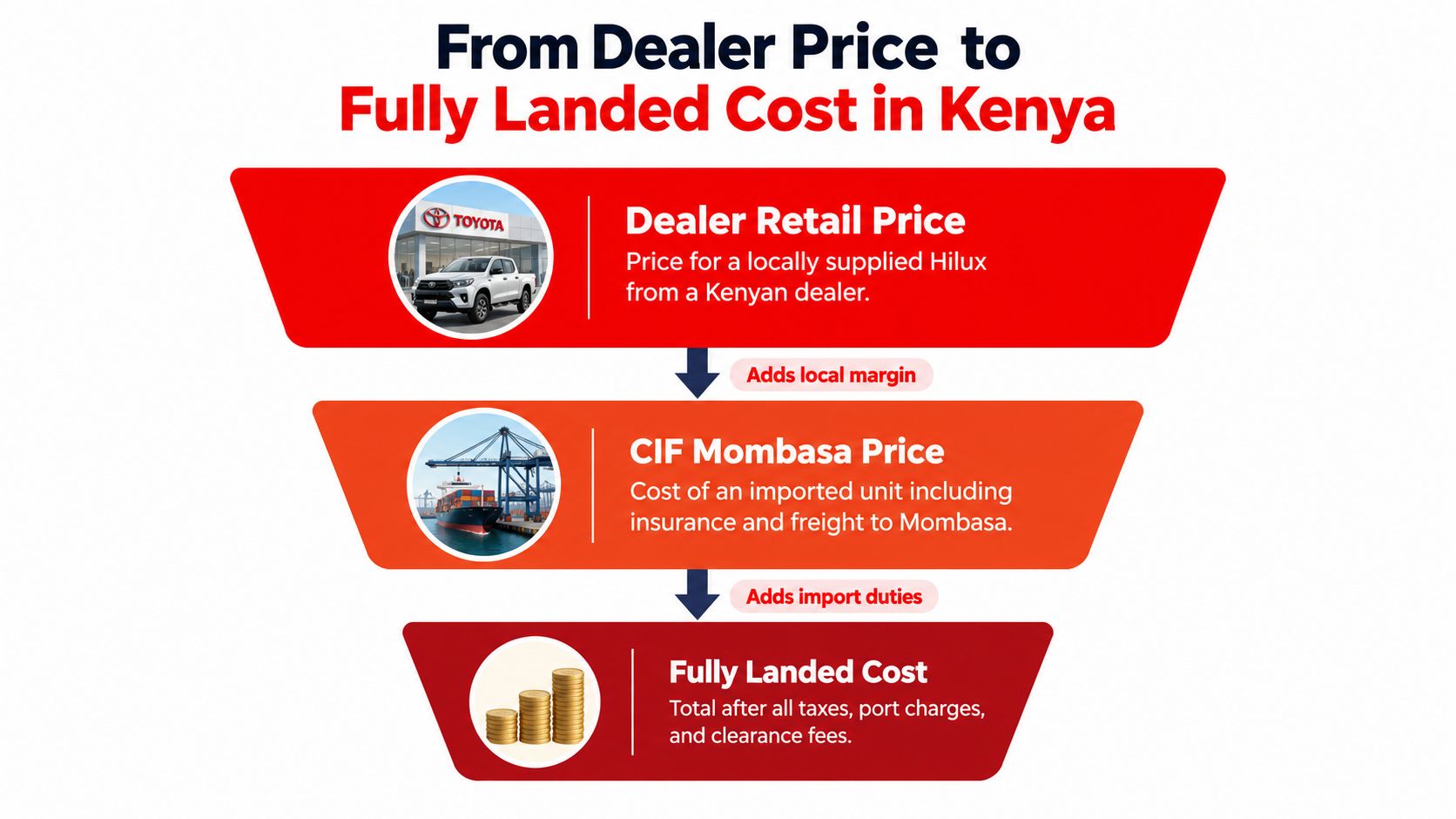
Kenyan buyers need to separate dealer retail price, CIF Mombasa price and fully landed cost. They're three different price stages, not competing quotes for the same thing.
Toyota Kenya lists a new Hilux Double Cab at KSh 4,530,000. By contrast, import listings for newer 2.8-litre 4WD units quote around KSh 5,460,000 to KSh 5,728,000 CIF Mombasa. CIF includes the vehicle, insurance and freight to the port, but excludes taxes and registration (Toyota Kenya Hilux price reference). The CIF figure is not the amount you should compare directly with a Kenyan dealer's retail price.
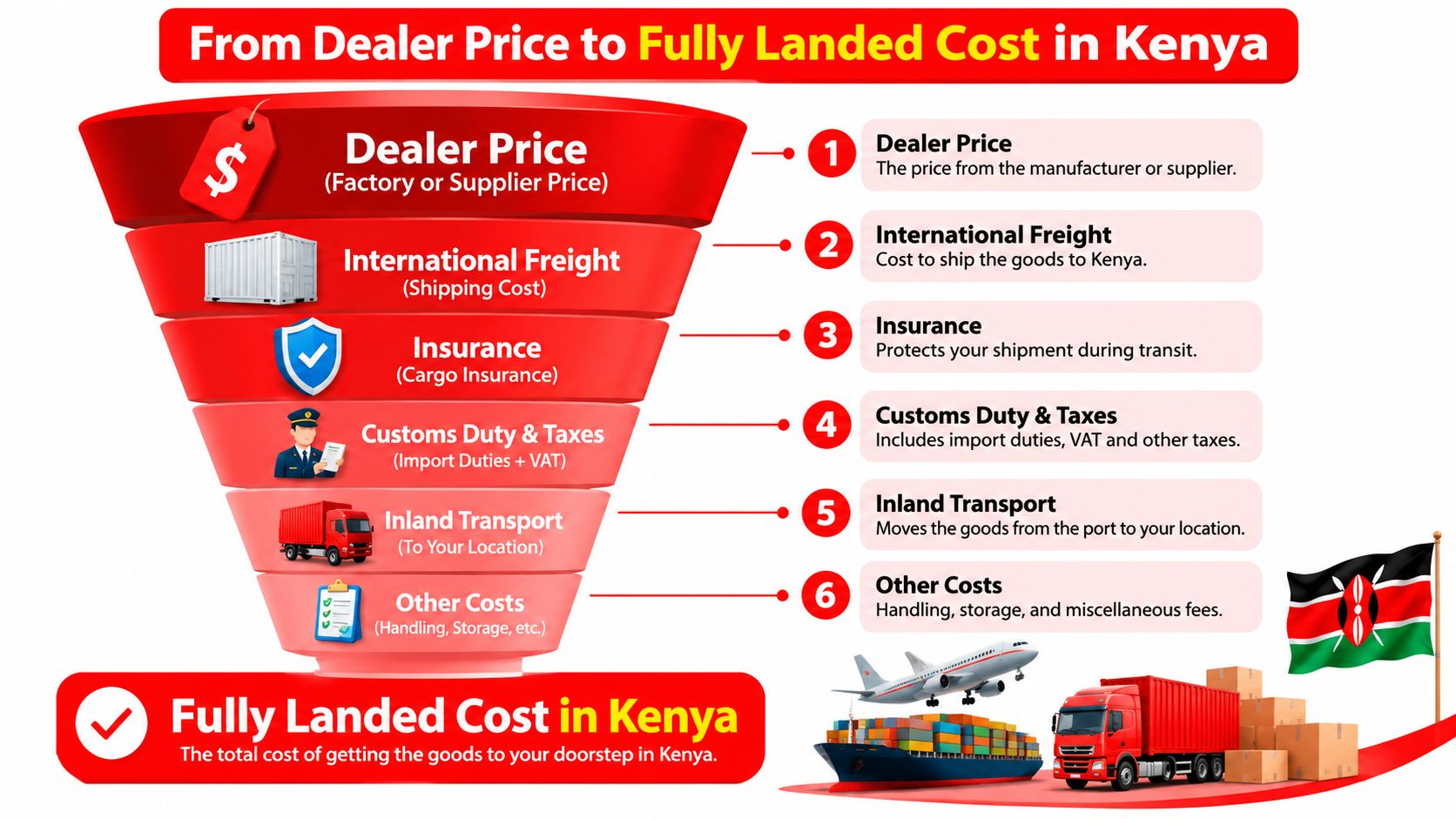
A proper comparison adds the applicable KRA charges, port and clearing costs, inspection, registration and number plates. It should also account for any dealer margin where relevant. Ask for a written breakdown that makes clear which costs are included and which remain payable.
The tax figures in an import calculation must be checked against current KRA guidance. The published tax structure can change, and KRA says customs value is derived from the vehicle's Current Retail Selling Price. That means the invoice or CIF quote alone may not decide the tax bill. If a seller can't explain what “landed” means in the quoted price, you don't yet have a usable comparison.
The Eight-Year Age Rule and Registration Steps
Kenya's import age limit can rule out a vehicle before its price or condition matters. KRA states that motor vehicles more than eight years old aren't allowed into Kenya under the KS 1515:2000 quality standard enforced by the Kenya Bureau of Standards (KRA customs and border-control FAQ). For a foreign-used Hilux, check the manufacture year against the rules that apply at the time of import, rather than relying on the year someone first registered or advertised it.
Before paying, ask to see the manufacture-year evidence, export documents, inspection records and customs paperwork. If anything doesn't match, pause the purchase and verify it. A vehicle that can't be legally imported isn't a bargain at any price.
For a vehicle being registered in Kenya, plan for the registration and logbook process, any required inspection and number plates. Typical NTSA registration and logbook costs are about KSh 10,000 to KSh 15,000, with inspection fees around KSh 2,000 to KSh 5,000. Confirm the current process and charges with NTSA before budgeting.
Buyers comparing a foreign-used pickup with local stock can review this practical guide to imported cars for sale in Kenya. The key is to verify eligibility and paperwork before committing, not after the vehicle has arrived.
Three-Year Ownership Cost by Use Case
A Hilux's price is only the first layer of the budget. Over three years, fuel, tyres, servicing, repairs and insurance can separate a commuter's costs from those of a family or commercial operator. Import duty, excise, VAT and registration shape the purchase cost; resale value affects what ownership ultimately costs. Budget each layer.
EPRA's current Nairobi pump-price schedule, covering 15 October to 14 November 2026, lists diesel at KSh 227.76 per litre. Confirm the schedule in force when you budget (EPRA pump-price schedule). At 10 km per litre, 1,500 km uses 150 litres, or KSh 34,164 in fuel. At 8 km per litre, the same distance takes 187.5 litres and costs KSh 42,705. These are fuel-only examples, not guarantees of a Hilux's consumption.
Here are three-year fuel examples at the listed price:
- Commuter: At 1,500 km per month and 10 km per litre, three years means 54,000 km, 5,400 litres and KSh 1,229,904 in fuel. A 2WD used mainly on paved roads may also need less from tyres and drivetrain than a 4WD.
- Family user: At the same mileage and consumption, fuel is KSh 1,229,904 over three years. Add the actual cost of tyres, servicing and repairs; don't assume an automatic 4WD costs the same to run as a simpler model.
- Commercial operator: At 1,500 km per month and 8 km per litre, fuel totals KSh 1,537,380 over three years. Heavy loads and rough roads can add tyre, service and repair costs, so use the truck's records to budget those items.
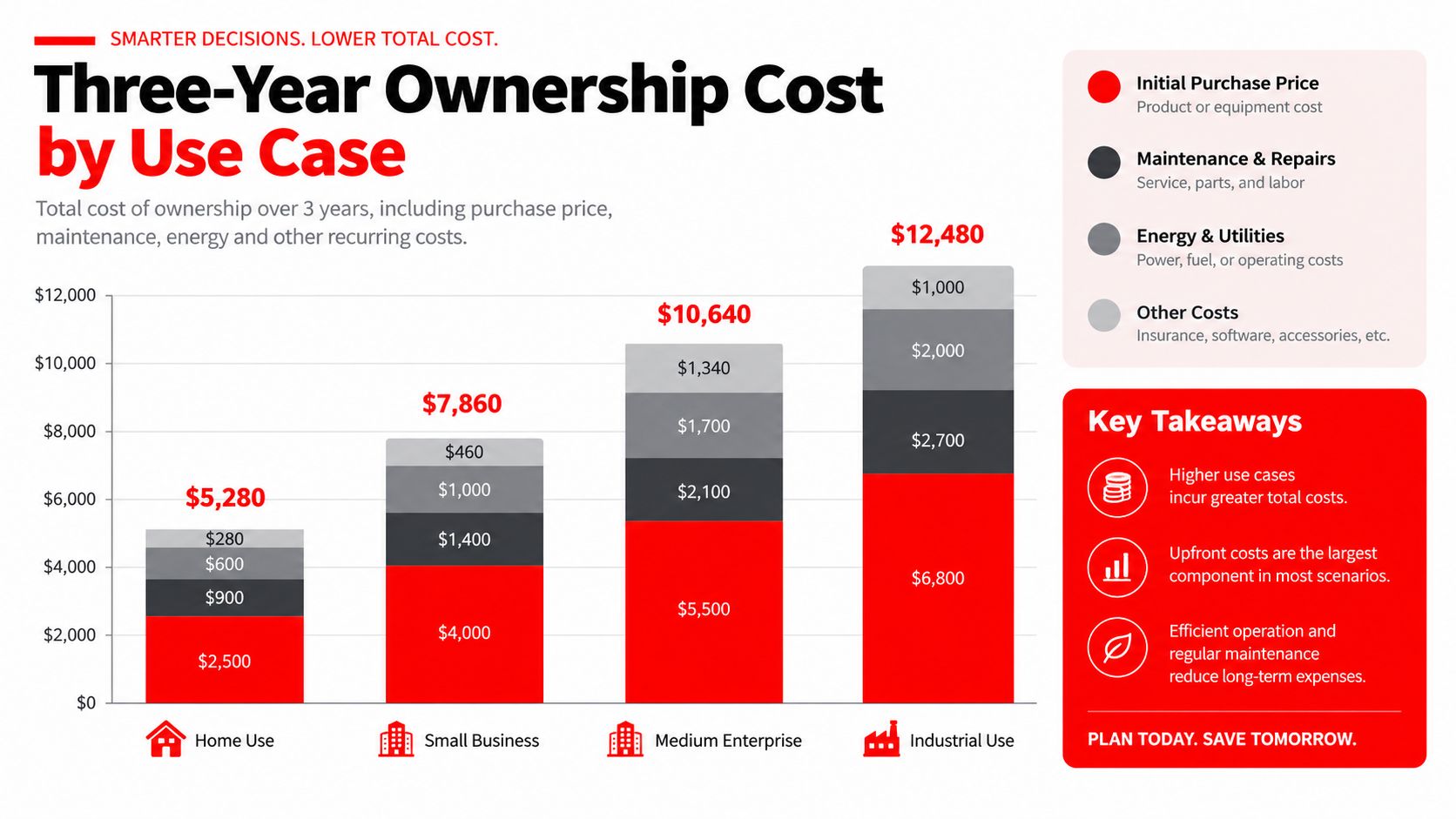
Fuel assumptions can quickly skew a budget. Recent Kenya-focused guidance puts prices above KSh 200 per litre, compared with KSh 137 per litre in 2023. Don't use an old fuel estimate. A cheaper Hilux can cost more overall if it uses more fuel, needs costly 4WD tyres or has overdue servicing.
What to Check at a Hilux Viewing
A clean exterior doesn't tell you how a pickup has been worked. Take time to inspect the truck cold, test it on the road and compare its paperwork with the vehicle itself. If you're viewing at the Garden City Mall yard, use one routine rather than relying on a quick walk-around.
- Engine and service history: Look for uneven running, smoke, leaks and evidence of regular servicing. On a 2.8-litre model, listen for injector wear symptoms and turbo actuator noise, then arrange a proper mechanical assessment if anything sounds wrong.
- Body and load area: Check the chassis, load bed, cabin panels and paint for signs of accident repair, corrosion or hard commercial use. Uneven gaps or fresh paint deserve a closer look.
- Suspension and drivetrain: Check for rear leaf-spring sagging, especially on trucks that have carried heavy loads. If it's a 4WD, inspect the transfer box for leaks and confirm the system engages and disengages correctly.
- Paperwork and import status: Match the chassis and engine details to the logbook and available import documents. Review service records, inspection information and customs paperwork for a foreign-used vehicle.
Don't negotiate around a fault you haven't priced. Ask for an independent inspection when the condition or history is unclear.
Finish by confirming that the documents belong to the vehicle and that any outstanding registration or import requirements are understood. If the paperwork, mileage history and physical condition don't line up, walk away or make the offer reflect the unresolved risk.
Resale Value Across Hilux Generations in Kenya
Hilux resale depends on more than model year. Buyers also care about cab style, drivetrain, transmission, mileage, maintenance and whether the vehicle's paperwork is complete. A well-kept older double-cab 4WD can be more appealing than a newer single-cab that has spent years carrying heavy loads.
Use the indicative price bands above as a starting point, not a promise of future trade-in value. The KSh 5.3 million 2019 median and KSh 6.2 million double-cab asking benchmark describe different market measures, so they shouldn't be treated as a single guaranteed value. Your particular Hilux's condition and specification will decide where it sits.
If you're selling or changing vehicles, Brill Motors offers vehicle valuation and trade-ins. A valuation gives you a practical starting point; the vehicle's actual condition and history still matter when an offer is made. Keep service records and registration documents organised, and address obvious faults before asking for a valuation. A clear history makes it easier for the next buyer to assess the truck fairly.
Common Questions Buyers Ask Before Signing
Can I arrange financing for a Hilux?
Brill Motors offers financing for vehicle purchases. Confirm the available terms, required documents and the total repayment before choosing a Hilux. Keep the running-cost budget separate from the deposit and monthly payment.
How does a trade-in work?
Start with a valuation of your current vehicle, then discuss how its value can be applied towards the Hilux you want. Bring the logbook and service records, and disclose any known faults so the valuation reflects the vehicle accurately. Brill Motors also supports selling a car directly.
What warranty or after-sale support should I expect?
Don't assume that every used vehicle comes with a warranty or a particular after-sale package. Ask what applies to the specific Hilux before you sign, and make sure any agreed terms are written down. An independent inspection and complete paperwork are sensible protections either way.
View Current Hilux Stock at Brill Motors
Prices change as stock changes, so check the live Toyota Hilux listings at Brill Motors for current availability and advertised prices. If you're comparing two Hiluxes, bring your preferred configuration and use case when you enquire so you can assess like for like.
You can also arrange a showroom viewing at Garden City Mall Rooftop Car Yard on Thika Road, Nairobi. If you're replacing your current vehicle, ask about a valuation or trade-in before settling on your budget.
Brill Motors can help you compare current Hilux stock, arrange financing, value your existing vehicle or discuss a trade-in. Browse the live listings or visit the Garden City Mall rooftop yard on Thika Road to view a Hilux in person.